Nail Disorders Treatment focuses on diagnosing and managing conditions affecting the fingernails and toenails. Common concerns include nail discoloration, thickening, brittleness, ingrown nails, fungal infections, and changes in nail shape or texture. These conditions may result from infections, injuries, skin disorders, or underlying medical issues. Professional assessment helps identify the cause of nail changes and determine the most appropriate treatment to improve nail health and prevent potential complications.
Treatment begins with a detailed examination of the affected nails and surrounding skin. Depending on the diagnosis, a dermatologist may recommend topical or oral medications, antifungal treatments, appropriate nail care, or other targeted procedures. Laboratory testing may be required to confirm fungal infections or investigate unusual nail changes. The treatment plan is personalized according to the condition, its severity, and the individual's medical history.
With appropriate care, Nail Disorders Treatment can help manage symptoms, improve nail appearance, and support healthy nail growth. Recovery time varies depending on the condition, and some nail problems may require several months to show improvement. Maintaining nail hygiene, avoiding repeated trauma, and following prescribed treatments can help support recovery. Persistent pain, swelling, discoloration, or unexplained changes in nail appearance should be assessed by a dermatologist for accurate diagnosis and suitable management.
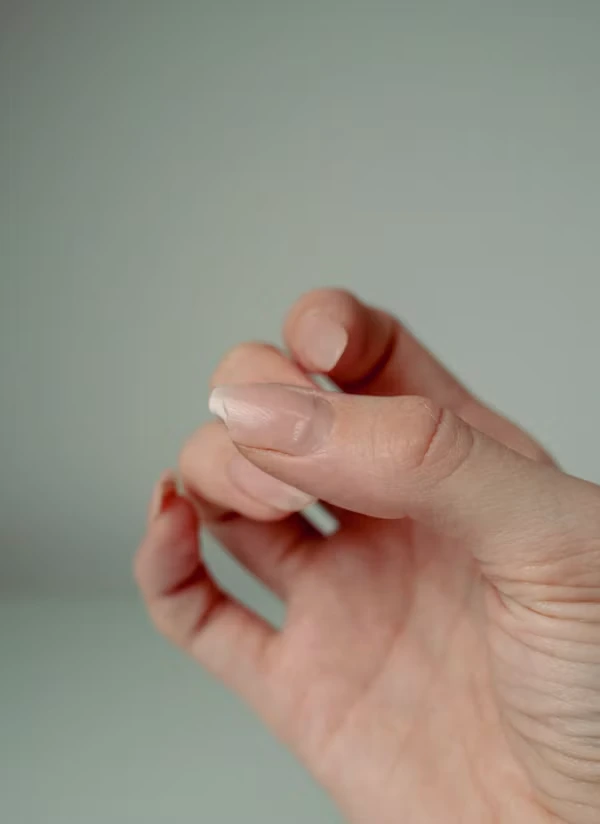
Detailed skin & hair evaluation by our Specialist Dermatologist to assess your unique needs.
Crafting an evidence-based clinical plan using US-FDA approved technologies tailored for you.
Safe, precise, and comfortable treatment administered by our experienced medical specialists.
Ongoing follow-up care, personalized recommendations, and progress tracking for optimal results.
Find clear answers to common questions about treatment suitability, safety, procedures, and post-care guidance.
Schedule a personal consultation with our dermatology specialist for a tailored diagnosis and treatment plan.
You can conveniently book a consultation by filling out our online appointment form, contacting our clinic via WhatsApp, or calling our helpline directly. Our team will schedule an appointment with our specialist doctors at your preferred branch.
Recovery is minimal. Most patients experience mild redness or slight peeling similar to a mild sunburn for 2 to 5 days. Our dermatologists provide full post-procedure aftercare instructions to accelerate healing and maximize glow.
The recommended number of sessions varies depending on the treatment and individual skin condition. Typically, laser hair reduction and skin resurfacing require 4 to 6 sessions spaced 4 to 8 weeks apart for the best and longest-lasting results.
Laser hair reduction provides significant long-term reduction in hair growth. Our modern laser technologies incorporate advanced integrated cooling systems to ensure treatment is virtually painless, quick, and safe for all skin types.
We recommend avoiding direct sun exposure, tanning, and harsh chemical exfoliants for 48 to 72 hours before and after your procedure. Post-treatment, always keep the treated area moisturized and diligently apply a broad-spectrum sunscreen.